





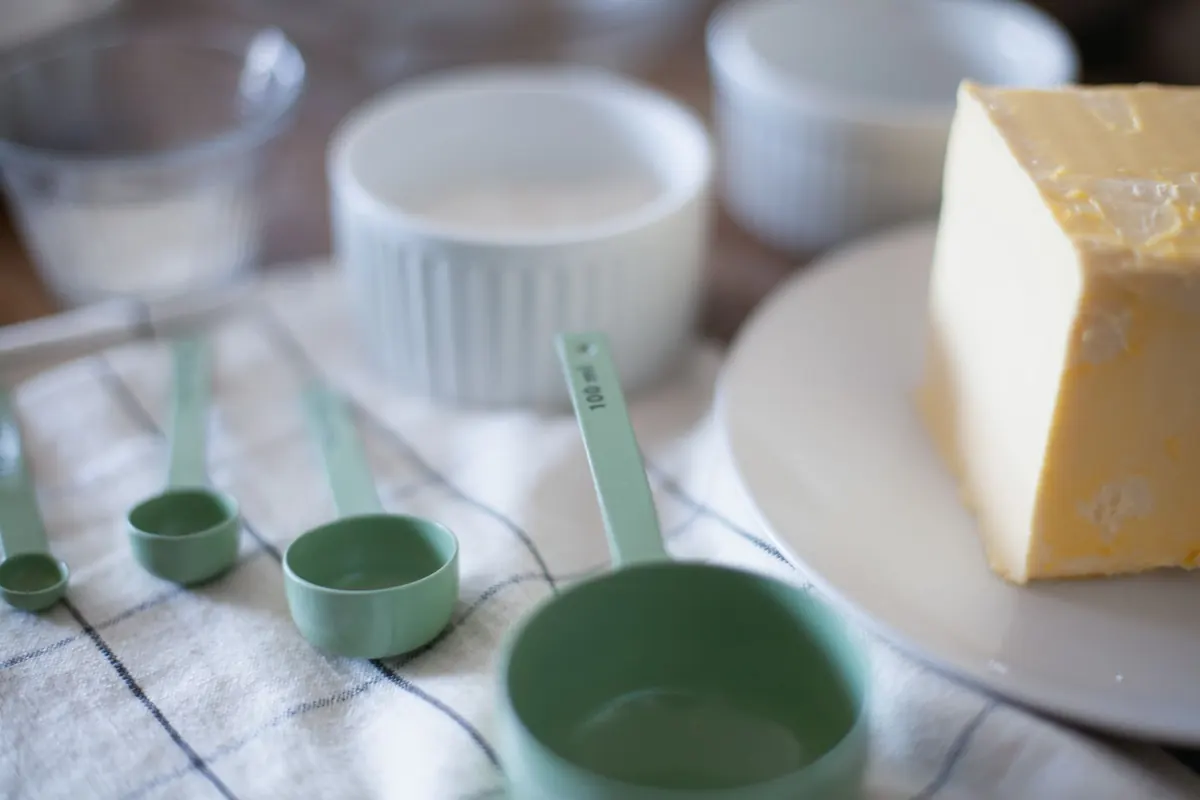
You want to cut back on sugar, but the last time you tried, the muffins came out dense and the cookies spread into sad, flat puddles. That is not a failure of willpower. It is chemistry. Sugar does far more than sweeten—it holds moisture, creates structure, and helps browning. Remove too much at once and the whole balance tips. The good news is that you can reduce sugar significantly without ruining the texture, provided you make a few informed swaps and adjust gradually.
This guide walks through what sugar actually does, which replacements work best, and how to change your favorite recipes step by step. No special equipment, no obscure ingredients. Just a clearer understanding of the bowl in front of you.
What Sugar Actually Does in a Recipe
Before you remove something, it helps to know its job. In baked goods, sugar plays at least four roles:
- Tenderness: Sugar interferes with gluten formation. Less sugar means more gluten development, which can make cakes and muffins tough.
- Moisture: Sugar is hygroscopic—it pulls and holds water. Reduce it too much and your bake dries out faster on the counter.
- Browning: Sugar feeds the Maillard reaction and caramelization. Less sugar means paler crusts and less complex flavor.
- Structure during creaming: When you beat sugar with butter, the sharp edges of sugar crystals create air pockets. Those pockets expand in the oven and give you lift.
Because of these roles, you cannot simply halve the sugar and expect the same result. But you can replace part of it with ingredients that mimic some of these functions.
Fruit Purees as Your First Swap
Unsweetened applesauce, mashed banana, and pumpkin puree are the most reliable starting points. They add moisture, natural sweetness, and a little body. They do not, however, cream with butter the way sugar does, so they work best in recipes that use oil or melted butter, like quick breads, muffins, and some cakes.
A general rule: replace up to half the sugar with an equal volume of fruit puree. If a recipe calls for 1 cup of sugar, try ½ cup sugar plus ½ cup applesauce. You may need to reduce the liquid in the recipe by about ¼ cup to compensate for the puree's water content. If the puree is very wet, like applesauce, reduce liquid. If it is thick, like pumpkin, you may not need to adjust at all.
Banana brings its own distinct flavor, so use it in recipes where that works—banana bread, chocolate muffins, oatmeal cookies. Applesauce is neutral and disappears into spice cakes and carrot muffins. Pumpkin adds a subtle earthiness that pairs well with warm spices.
One caution: fruit purees brown faster than sugar. Lower your oven temperature by 25°F (15°C) and start checking for doneness five minutes earlier than usual.
Spices and Extracts That Fill the Flavor Gap
When you reduce sugar, your brain notices the missing sweetness. You can distract it with flavor. Cinnamon, nutmeg, cardamom, ginger, and cloves all read as "sweet" to the palate, even without sugar. A teaspoon of cinnamon in a batter that previously relied on sugar alone can make a lower-sugar loaf taste intentional rather than deprived.
Vanilla extract is another quiet hero. It adds a rounded, almost creamy note that mimics the mouthfeel of sweetness. Almond extract does something similar. A little goes a long way—¼ teaspoon in a batch of cookies is plenty.
Salt is not a spice, but it matters here. A pinch of flaky salt on top of a lower-sugar cookie or brownie sharpens the flavor and makes the whole thing taste more complete. Do not skip it.
The Gradual Reduction Method
Do not go from 1 cup of sugar to 2 tablespoons overnight. Your palate needs time to adjust, and your recipes need time to reveal their limits. Here is a sequence that works for most quick breads, muffins, and cakes:
- First bake: Reduce sugar by 25%. Keep everything else the same. Note the texture and sweetness.
- Second bake: Reduce by 40%. Add ¼ cup of fruit puree for every cup of sugar removed. Taste again.
- Third bake: Reduce by 50%. Add ½ cup fruit puree per cup of sugar removed. Reduce liquid by 2 tablespoons per cup of puree added.
- Beyond 50%: This is where you enter experimental territory. You may need to add a tablespoon of ground flaxseed or a bit of extra fat to maintain tenderness. Expect a denser crumb.
Stop when the texture still pleases you. For some recipes, that might be a 40% reduction. For others, 60%. There is no universal number, and that is fine.
When to Use Liquid Sweeteners (and When Not To)
Honey, maple syrup, and molasses are not lower in sugar than white sugar—they are still sugar. But they are sweeter per tablespoon, so you can use less of them to achieve the same perceived sweetness. They also add moisture and distinct flavor.
Replace 1 cup of sugar with ¾ cup honey or maple syrup, then reduce the liquid in the recipe by ¼ cup. Lower the oven temperature by 25°F (15°C) because these sweeteners brown faster. Molasses is less sweet and more assertive; use it in gingerbread or bran muffins where its flavor belongs.
Do not use liquid sweeteners in recipes that depend on creaming butter and sugar for lift, like a classic butter cake. The liquid changes the consistency of the butter mixture and you will lose volume.
Testing and Adjusting Your Results
Lower-sugar baking is not a one-time fix. It is a series of small decisions. Keep notes on what you changed and how it turned out. A few common issues and their fixes:
- Dry crumb: Add 1 tablespoon of oil or applesauce per cup of flour.
- Pale crust: Brush the top with a little milk or egg wash before baking.
- Flat cookies: Chill the dough for 30 minutes before baking and reduce the butter by 1 tablespoon per cup.
- Gummy texture: You have added too much puree. Pull back by 2 tablespoons next time.
If you have a medical condition such as diabetes, talk to your doctor or a registered dietitian before making significant dietary changes. This guide is about baking, not medical advice.
Start Small, Taste Often
Pick one recipe you make regularly—a banana bread, a batch of oatmeal cookies—and reduce the sugar by 25% this week. See how it tastes. Next time, try 40%. You will learn more from one careful experiment than from reading a dozen substitution charts.
Lower-sugar baking rewards patience. The goal is not to eliminate sugar entirely but to use less of it while keeping the texture and pleasure that made you love baking in the first place. Your palate will adjust. Your recipes will adjust. And you will still want to eat the results.
Photo: Los Muertos Crew / Pexels